Monday, April 2, 2012

Increase In Bone And Joint Surgery Proving Profitable For Hospitals

Increase In Bone And Joint Surgery Proving Profitable For Hospitals

A motorcycle accident landed 47-year-old Dr. Susan Welsch at Westchester Medical Center for three weeks with multiple injuries, including a smashed hip. Dr. Welsch, a veterinary surgeon, researched the surgical outcomes for hip replacements, infection rates and the types of implant used. The data led her straight to the Hospital for Special Surgery in Manhattan, where Dr. Friedrich Boettner performed a successful operation.

Read the whole story at Crain's New York

Contribute to this Story:


Filed by Mary Turner  | 


Source: www.huffingtonpost.com

Depression And Fast Food Link Confirmed
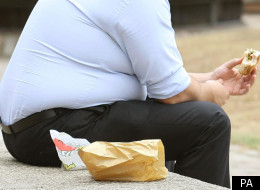
Depression And Fast Food Link Confirmed
Fast Food

The link between the consumption of fast food and depression has been confirmed

Eating fast foods such as hamburgers, hotdogs and pizza and baked commercial goods like fairy cakes, croissants and doughnuts is linked directly to depression, it has been confirmed.

The study, headed by scientists from the University of Las Palmas de Gran Canaria and the University of Granada, found that fast food consumers, compared to those who eat little or none, are 51% more likely to develop depression.

Published in the Public Health Nutrition journal, the results also found the more fast food consumed, the greater the risk of depression.

The study demonstrates that those participants who eat the most fast food and commercial baked goods are more likely to be single, less active and have poor dietary habits, which include eating less fruit, nuts, fish, vegetables and olive oil. Smoking and working more than 45 hours per week are other prevalent characteristics of this group.

Of commercial baked goods, Almudena Sánchez-Villegas, lead author of the study, said: "Even eating small quantities is linked to a significantly higher chance of developing depression,"

The study sample belonged to the SUN Project (University of Navarra Diet and Lifestyle Tracking Program). It consisted of 8,964 participants that had never been diagnosed with depression or taken antidepressants. They were assessed for an average of six months, and 493 were diagnosed with depression or started to take antidepressants.

This new data supports the results of the SUN project in 2011, which were published in the PLoS One journal.

The project recorded 657 new cases of depression out of the 12,059 people analysed over more than six months. A 42% increase in the risk associated with fast food was found, which is lower than that found in the current study.

Sánchez-Villegas concludes that "although more studies are necessary, the intake of this type of food should be controlled because of its implications on both health (obesity, cardiovascular diseases) and mental well-being."

Depression affects 121 million people worldwide. This figure makes it one of the main global causes of disability-adjusted life year. Further still, in countries with low and medium income it is the leading cause.

However, little is known about the role that diet plays in developing depressive disorders. Previous studies suggest that certain nutrients have a preventative role. These include group B vitamins, omega-3 fatty acids and olive oil. Furthermore, a healthy diet such as that enjoyed in the Mediterranean has been linked to a lower risk of developing depression.

Contribute to this Story:


Source: www.huffingtonpost.co.uk

Friday, March 30, 2012

Could Your Junk Food Be Making You Depressed?

Could Your Junk Food Be Making You Depressed?

A new study shows that junk food may have effects beyond expanding your waistline and upping your sodium levels -- it might also be sabotaging your mental health.

A new study in the journal Public Health Nutrition shows that regularly eating commercial baked goods -- including doughnuts and croissants -- as well as fast food -- pizza, hamburgers and hot dogs -- is linked with an increased depression risk.

Researchers from the University of Las Palmas de Gran Canaria and the University of Granada found that the people who regularly eat these foods are also more likely to be more sedentary, smoke, eat other not-so-nutritious foods and work 45 or more hours a week.

"Although more studies are necessary, the intake of this type of food should be controlled because of its implications on both health (obesity, cardiovascular diseases) and mental well-being," study researcher Almudena Sánchez-Villegas said in a statement.

The study included 8,964 people who didn't have depression (and weren't taking any antidepressant drugs) at the start of the study. Their depression statuses and diets were tracked for an average of six months.

At the end of the study period, 493 people were depressed or were taking antidepressants. The researchers found that the ones who ate the most junk food were 51 percent more likely to develop depression, compared with people who ate the least of these foods.

The Mayo Clinic reported on a previous study also showing a similar link. That study showed that people whose diets are high in fried foods, processed meats, desserts and high-fat dairy had an increased risk of depression symptoms, compared with people who eat lots of fruits, veggies and fish.

And earlier this year, a study in the journal PLoS ONE showed that there may be a link between eating trans fats -- common in a lot of junk foods -- and being irritable and aggressive.

The researchers of that study, from the University of California, San Diego, found that greater trans fats intake seemed to predict whether a person was more aggressive. The finding held true even after taking into account factors like sex, age and ethnicity.

Also on HuffPost:

Contribute to this Story:


Source: www.huffingtonpost.com